


Connect with us

F1

F1: Oliver Bearman questions FIA fix as Suzuka F1 qualifying debate heats up

The governing body stepped in before Suzuka, a circuit known for high power demand and limited energy recovery, where extreme lift-and-coast and energy-saving tactics were expected to dominate qualifying.

The governing body stepped in before Suzuka, a circuit known for high power demand and limited energy recovery, where extreme lift-and-coast and energy-saving tactics were expected to dominate qualifying.

Jamie Moore's Diary - jockey talks Goshen and Ascot rides

o counter this, the FIA reduced the energy deployment allowance from 9.0 megajoules to 8.0 megajoules in a bid to ease energy management pressures.

However, Bearman was unconvinced. The Haas driver argued that the change could actually slow the cars further rather than improve the spectacle.

“It’s just making us even slower,” he explained. “On one hand, we don’t have to do as much lift and coast, which helps a bit. But we’re still spending a lot of the lap with no energy because we’ve lost one megajoule compared to what we prepared for.”

Bearman suggested a more effective alternative would be increasing energy harvesting limits under full throttle conditions. He pointed to previous FIA trials that allowed higher energy recovery rates, arguing that such a move would give drivers more usable performance without compromising the flow of a lap.

“If we could harvest at negative 350 kilowatts while on full throttle, it would make things easier,” he said. “This is a solution, but maybe not the best one.”

Ferrari’s Charles Leclerc also played down the impact of the change, saying it was unlikely to be a “game-changer” in qualifying.

The broader issue, according to Bearman, lies in how modern power units and software systems respond to driver inputs. He described situations where pushing harder through corners can actually cost lap time due to unpredictable energy deployment behaviour.

Reflecting on qualifying in China, the 20-year-old revealed: “I did all my best corners on my final lap, but ended up slower by two tenths. Sometimes pushing more just confuses the system, and you lose time instead of gaining it.”

He added that even minor throttle adjustments — sometimes as little as a few per cent — can disrupt energy delivery and compromise an entire lap.

The result is a counterintuitive approach to qualifying, where drivers are often faster operating below the limit rather than extracting maximum performance.

“You’re almost better off driving at 99 per cent and being consistent,” Bearman admitted. “That goes against everything we’re used to as drivers.”

Despite his concerns, Bearman acknowledged the FIA’s willingness to listen and adapt, expressing confidence that further collaboration would lead to improvements.

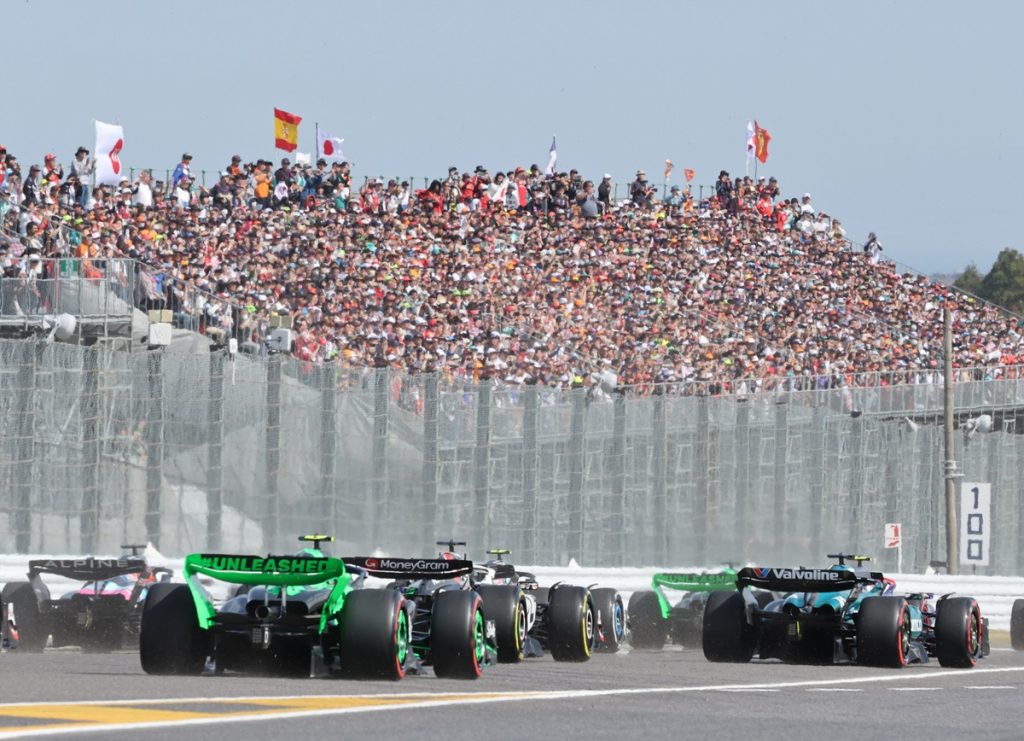
The debate will continue this weekend at Suzuka, which hosts the third round of the 2026 Formula 1 season from 27 to 29 March, following races in Australia and China.

Jamie Moore's Diary - jockey talks Goshen and Ascot rides
Click to comment

Leave a Reply

Your email address will not be published. Required fields are marked *

More in F1