


Connect with us

F1

Honda warn Aston Martin’s ongoing power unit fix ‘will take time’

Shintaro Orihara, Honda’s trackside general manager and chief engineer, confirmed that engineers from Honda Racing Corporation and Aston Martin have been working closely together at HRC’s Research and Development Centre in Sakura, Japan, since the Japanese Grand Prix.

Shintaro Orihara, Honda’s trackside general manager and chief engineer, confirmed that engineers from Honda Racing Corporation and Aston Martin have been working closely together at HRC’s Research and Development Centre in Sakura, Japan, since the Japanese Grand Prix.

Jamie Moore's Diary - jockey talks Goshen and Ascot rides

The collaboration has continued without pause during what would usually be a quieter period in the calendar.

“As you know, the Bahrain Grand Prix and Saudi Arabian Grand Prix were postponed, but that does not mean that the work has stopped,” Orihara said in a video shared on social media.

“After the Japanese Grand Prix, Aston Martin team members and Honda Racing Corporation have been working together at the HRC Research and Development Centre in Sakura. We have been working around the clock to improve our countermeasures, and that work will continue as we approach the next race in Miami.”

Despite the relentless effort, Honda has cautioned that the underlying problems will take time to resolve.

“We know that things will take time, but we will keep working hard together,” Orihara added.

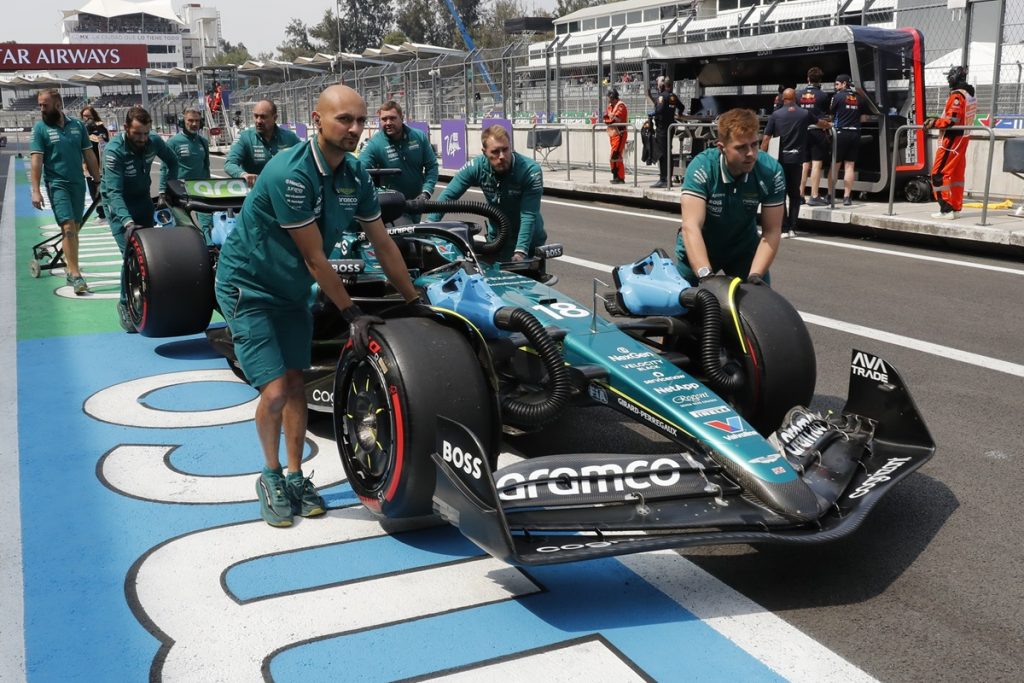
Aston Martin’s start to the 2026 Formula 1 season has been extremely difficult, with the team currently sitting last in the constructors’ championship after three rounds and still without a point. The main issue has been severe vibrations coming from the Honda power unit, which have proven far worse in real race conditions than during dyno testing.

These vibrations have caused repeated failures of the energy storage systems, with several battery units damaged beyond use. The problem has also raised concern over driver comfort and safety, with reports highlighting the risk of significant strain from the intense shaking.

The situation has been made more complicated by Formula 1’s cost-control rules, which restrict teams to just two batteries per car for the season. At the Australian Grand Prix, Honda arrived with a limited supply, but two units failed within the opening hour of running.

Both Honda and Aston Martin now accept that the issue is not purely engine-related. The chassis and overall integration of the power unit also require attention, making the solution more complex and time-consuming.

The next opportunity for progress will come at the Miami Grand Prix, scheduled for 3 May at the Miami International Autodrome in Florida, which will be the fourth round of the season following Australia and China.

Jamie Moore's Diary - jockey talks Goshen and Ascot rides
Click to comment

Leave a Reply

Your email address will not be published. Required fields are marked *

More in F1