


Connect with us

F1

F1: FIA to review 2026 F1 regulations after Oliver Bearman’s dramatic Suzuka crash

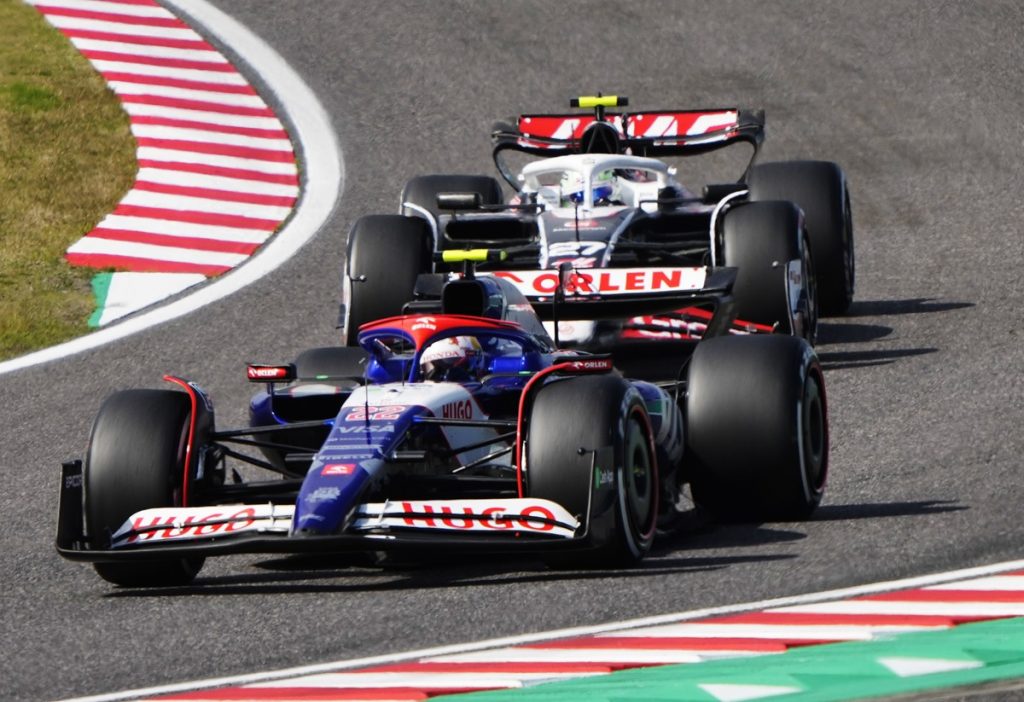
The incident involved Haas F1 Team driver Oliver Bearman, who suffered a 50G impact at the Suzuka International Racing Course, an event being compared to Max Verstappen’s notorious 2021 British GP accident.

The incident involved Haas F1 Team driver Oliver Bearman, who suffered a 50G impact at the Suzuka International Racing Course, an event being compared to Max Verstappen’s notorious 2021 British GP accident.

Jamie Moore's Diary - jockey talks Goshen and Ascot rides

The shunt occurred as Bearman was chasing Franco Colapinto. Colapinto’s Alpine F1 Team car entered battery harvesting mode approaching Spoon Curve (Turn 14), creating a significant closing speed differential.

Colapinto also drifted slightly left, forcing Bearman to take evasive action. He went off track, lost control, spun across the grass, crossed the circuit, and collided with the barrier.

Bearman exited the car with difficulty and sustained a knee injury, which is not expected to be long-term. While he was unharmed beyond this, the crash has raised safety concerns linked to the new 2026 power units.

Specifically, the split between internal combustion and limited electrical battery capacity can produce unpredictable speed differences, posing risks during close racing.

The FIA stressed that driver safety remains the highest priority and acknowledged that the incident highlights potential dangers in the current regulations.

“Since their introduction,” the FIA stated. “The 2026 regulations have been the subject of ongoing discussions between the FIA, Teams, Power Unit Manufacturers, drivers and Formula One Management.

“By design, these regulations include a number of adjustable parameters, particularly in relation to energy management, which allow for optimisation based on real world data.

“It has been the consistent position of all stakeholders that a structured review would take place after the opening phase of the season, to allow for sufficient data to be gathered and analysed.

“A number of meetings are therefore scheduled in April to assess the operation of the new regulations and to determine whether any refinements are required.

“Any potential adjustments, particularly those related to energy management, require careful simulation and detailed analysis.

“The FIA will continue to work in close and constructive collaboration with all stakeholders to ensure the best possible outcome for the sport and safety will always remain a core element of the FIA’s Mission.

“At this stage, any speculation regarding the nature of potential changes would be premature. Further updates will be communicated in due course.”

Jamie Moore's Diary - jockey talks Goshen and Ascot rides
Click to comment

Leave a Reply

Your email address will not be published. Required fields are marked *

More in F1